ServicesExemption Applications
Live Local Act Exemption Applications in Key West
The Live Local Act can take a large share of property tax off qualifying rent-restricted units, but only with the right certification and a filing made on time. We tell you plainly whether your property qualifies, what the savings could be, and what it takes to claim them.
What this application is, and when it makes sense
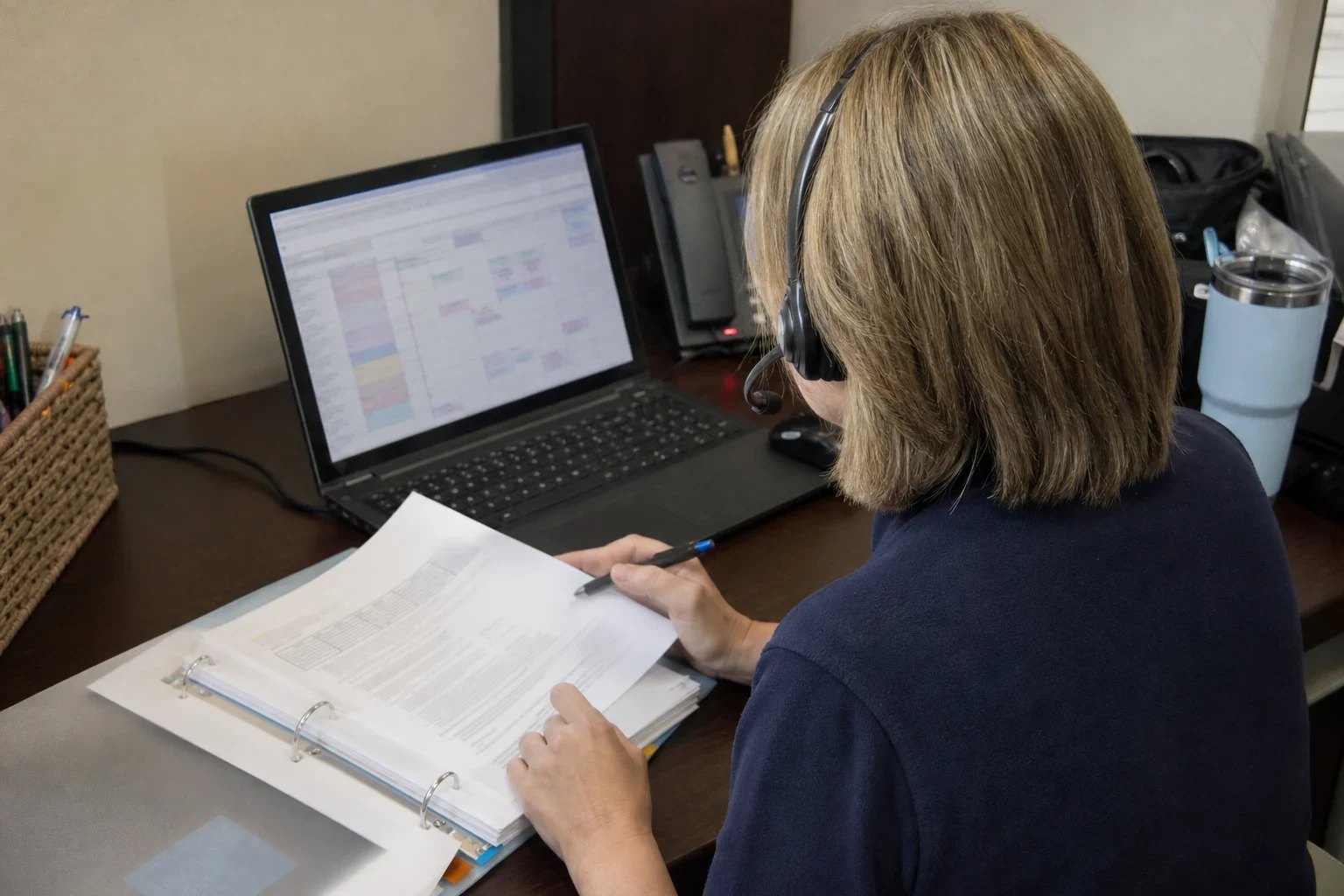
Florida's Live Local Act created a property tax exemption for newer multifamily properties that set aside units for residents within certain income limits. The exemption is not automatic. An owner first needs certification from the Florida Housing Finance Corporation, then files an exemption application with the county property appraiser before the annual deadline.
We handle that sequence for you. We look at your unit count, construction date, rent levels and resident incomes, tell you directly whether the numbers work, and prepare a filing that holds up when the property appraiser reviews it.
It is the right call when you own or are planning a qualifying property and the savings outweigh the cost of keeping units rent-restricted. Where values are as high as they are in Key West, that math often deserves a careful look. Sometimes it does not work, and we will say so.
What the work includes
- 01
Eligibility review
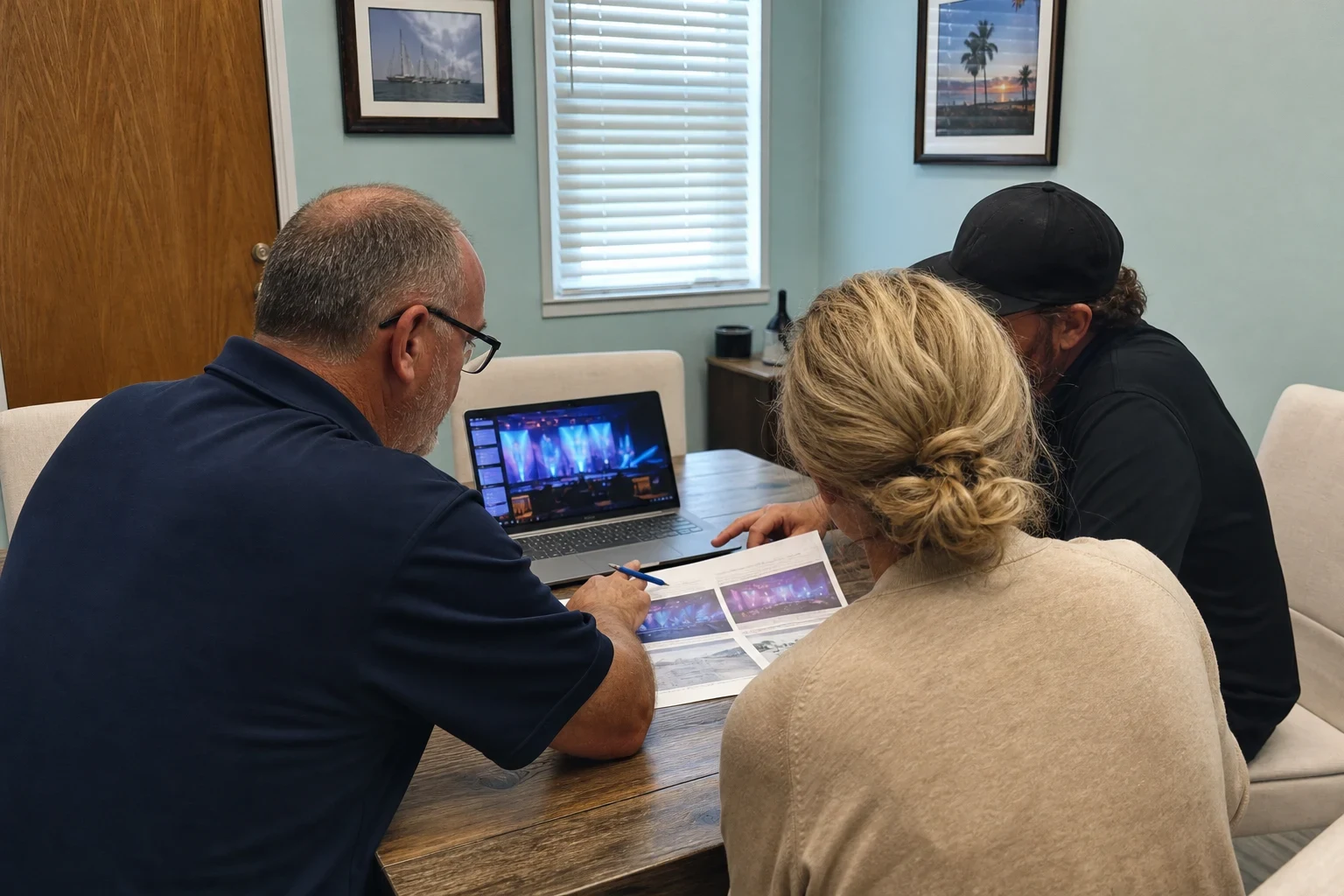
We check the requirements that decide everything else: unit count, when the property was substantially completed, and how many units are set aside at which income level. You get a clear yes, no, or what would need to change.
- 02
Savings estimate
We estimate the exemption against your current assessment so you can weigh the tax savings against the rent restrictions. The estimate is free and shows how we reached each number.
- 03
Certification package
We assemble the documents the Florida Housing Finance Corporation needs to certify the property, including the rent roll and unit set-aside detail. Our FHFC Certification Filing page covers that step on its own.
- 04
County exemption filing
With certification in hand, we prepare the county application and supporting records for the property appraiser. Details of that form are on our County DR-504AFH Filing page.
- 05
Answers to reviewer questions
If the property appraiser or FHFC asks for clarification, we respond with the records already organized in the file.
Questions about Exemption Applications?
Call(305) 493-8308Signs it is time to look at an exemption
A newer multifamily property
The exemption is aimed at recently built properties with a meaningful number of units. If yours fits that profile, it is worth a look before the next filing season.
Rents already near the limits
If many of your units already rent at or below the published limits for your area, you may be giving up savings you could claim with little change to how you operate.
A rising tax bill
When assessments climb faster than rents, the exemption can change the return on a property. We show you how much.
A missed or rejected filing
A prior application that was denied or never filed is usually fixable for the coming year. We find out what went wrong and correct it.
How the work runs
- 1
A short first call
You tell us about the property on the phone. We ask about units, completion date and current rents, and tell you right away if something rules it out.
- 2
Records and numbers
You share the rent roll, unit mix and resident income records securely, and we can walk through them together on a video call. We build the eligibility review and savings estimate from those.
- 3
Certification, then filing
We prepare the FHFC certification request, then the county exemption application once certification is issued, keeping the annual deadline in view throughout.
- 4
Close the year cleanly
After the exemption is granted, we walk you through what must be kept and reported so next year's Annual Recertification goes smoothly.
What moves the cost
Our fee depends on how much work the file needs, not on a fixed package. Before you commit, we explain over the phone what the job involves and why. The free eligibility check and savings estimate cost nothing.
- Number of units
- More set-aside units mean more rent and income records to verify and organize.
- Condition of the paperwork
- When leases, rent figures and tenant files agree with one another, confirming them takes little time. Gaps in income documents slow the file down, and our Resident Income Verification service may need to come first.
- Timing
- Starting well before the filing deadline leaves room to correct problems. A late start compresses the work.
- Prior filing history
- Correcting a denied application, or untangling an earlier filing, adds review time.
Questions owners ask about the exemption
Does my property qualify?
It depends mainly on unit count, when the property was completed, and how many units are rent-restricted for residents within the income limits. Those facts usually settle the question in one conversation. Our free eligibility check gives you a direct answer.
Is the exemption automatic once I meet the rules?
No. You need certification from the Florida Housing Finance Corporation and a timely application to the county property appraiser. Miss either one and the exemption is not applied for that year.
Do I have to apply every year?
The property must be recertified each year, with current rent and income records. We cover this on our Annual Recertification page, and many clients keep us on for it.
How much could I save?
Savings depend on the assessed value and how many units qualify at each income level. We prepare a free savings estimate from your actual numbers, so you see the trade-off before deciding.
Do I need to come to your office?
No. We can meet at our office, but most work is done by phone and video, with documents shared securely.
Find out what the exemption is worth to you
Tell us about the property and we will give you a plain answer on eligibility and likely savings. There is no charge for that first review.